Pantry guide 05 · Gift boxes
How to build a food gift box that travels well
A good food gift gets opened, used and remembered. A bad one leaks in transit or sits unopened in a cupboard. The difference is mostly planning: what goes in, how it is packed, and what the card says.
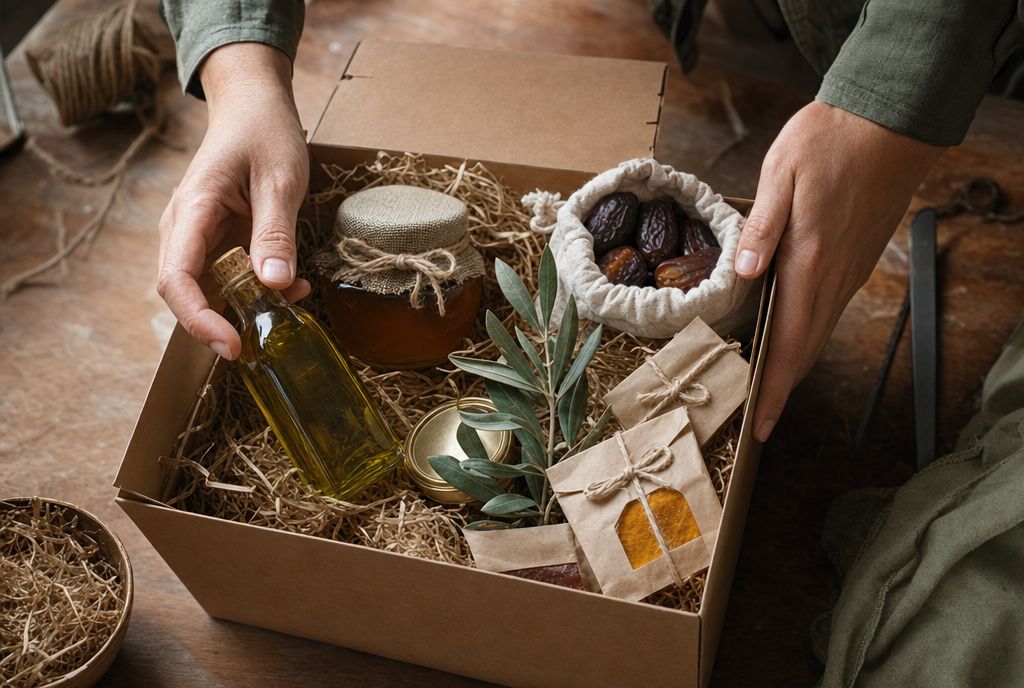
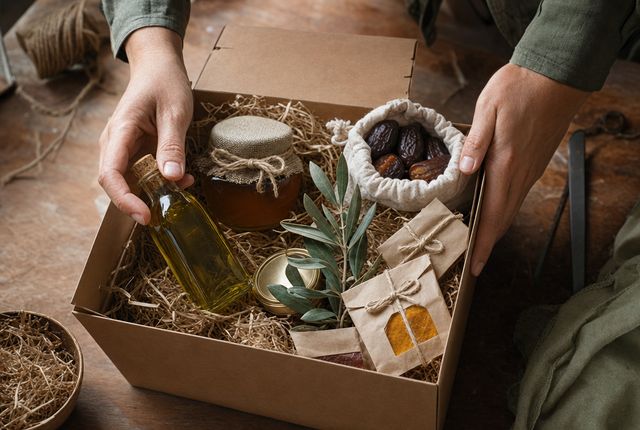
Illustrative photograph
Try the box builder
Tick what you are thinking of including and how the box will reach its recipient. The builder flags packing problems and allergens as you go.
Start with one hero item, then build around it
The boxes that feel most generous are rarely the biggest. They have a clear center: one thing the recipient would not usually buy for themselves, supported by two to four items that make it more useful.
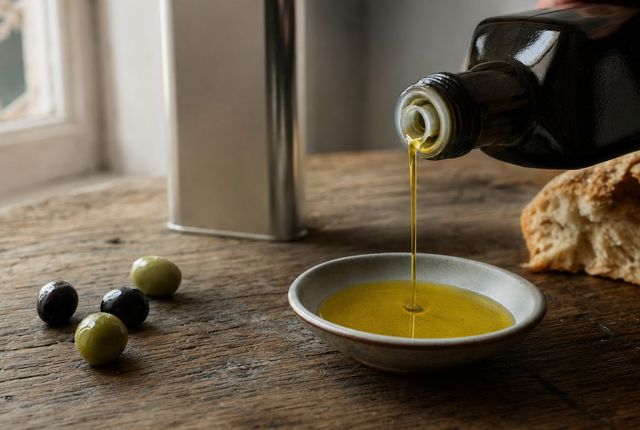
- If the hero is a special olive oilAdd za’atar, a good sea salt and something to dip, like crackers or a bread mix
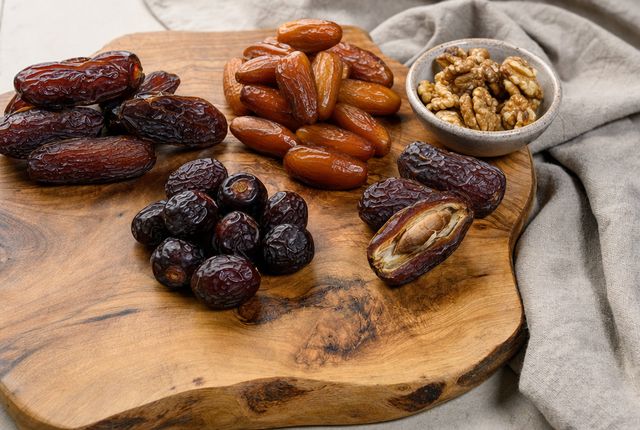
- If the hero is a box of datesAdd walnuts or almonds, tahini, and a small jar of honey or date syrup
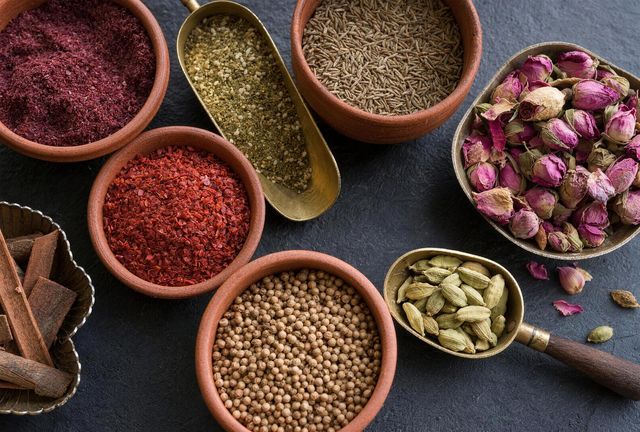
- If the recipient loves to cookAdd whole spices, a blend with a recipe card, and freekeh or bulgur
- If you do not know their tastesChoose versatile staples: olive oil, honey, dates, one gentle spice blend
- If it is for a team or officeSkip nuts and sesame, or include a separate allergen-free option
Add a short note on how to use the less familiar items. A tin of sumac with “sprinkle on eggs, salads and grilled chicken” written on the card gets used. The same tin without a note often ends up at the back of the cupboard.
What travels well and what does not
| Item | Travel risk | Why |
|---|---|---|
| Dried dates, figs, apricots | Low | Shelf-stable and light; keep them sealed |
| Whole spices and blends in tins | Low | Light, unbreakable, long-lasting |
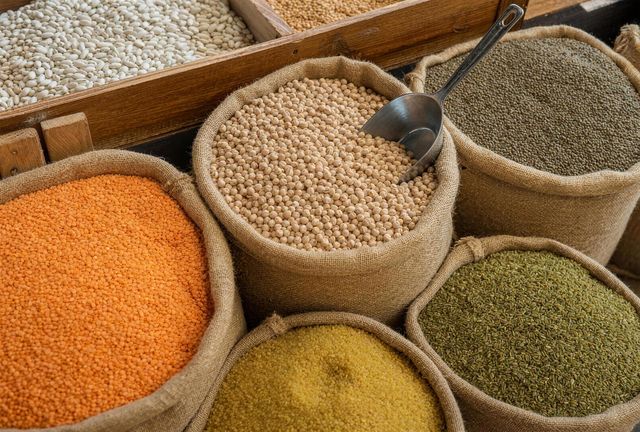
| Grains and pulses | Low | Heavy for their value, so keep portions small |
| Olive oil in tins | Medium | Will not shatter, but caps can seep; tape and bag |
| Honey, preserves, oil in glass | Medium to high | Breakage and leaks; needs careful wrapping |
| Chocolate | High in warm weather | Melts and blooms; ship only in cool conditions |
| Soft cheese, fresh foods | High | Needs refrigeration and fast, cold shipping |
Weather matters as much as the items. A box that sits in a hot delivery truck or a sunny porch for an afternoon can soften chocolate and stress oil. Many people ship perishables early in the week so a package is less likely to sit in a depot over a weekend.
Packing step by step
- Choose a box with room to spare. You want space for padding on every side, especially around glass.
- Seal liquids twice. Tape the cap, then put the bottle or tin in a zip bag.
- Wrap glass individually. Paper, bubble wrap or corrugated sleeves. Stand jars upright.
- Heavy items low and central. Light, crushable items like crackers and spice packets go on top.
- Fill every gap. Crinkle paper, straw or paper fill. Close the box and shake it gently; nothing should move.
- Put the card on top so it is the first thing seen, and a copy of any allergen note inside the lid.
One leaking bottle, one ruined box
The most common failure is not breakage but seepage. A screw cap loosens a quarter turn in transit, oil creeps out, and the crackers, card and spice packets soak it up. Tape across the cap and a sealed bag around the bottle add perhaps a minute of work and remove the risk almost entirely.
The card that goes inside
A good gift card does three jobs: says who it is from, explains anything unfamiliar, and protects the recipient.
- A line on each unusual item and one way to use it.
- Storage notes: “refrigerate after opening,” “keep the oil away from the stove.”
- Allergens present in the box. The nine major allergens in US labeling are milk, eggs, fish, crustacean shellfish, tree nuts, peanuts, wheat, soybeans and sesame.
- For homemade additions, the date it was made.
The short version
- One hero item, two to four supporting ones.
- Shelf-stable beats perishable for anything that ships.
- Tape caps, bag liquids, wrap glass, fill gaps.
- Name the allergens on the card.
Choosing the contents is easier with the buying guides open: start with the olive oil guide for the hero bottle and the date varieties guide for something sweet.
Gift box questions
No question matches that word. Try a shorter one.
What foods travel best in a gift box?
Shelf-stable foods in sturdy packaging: olive oil in tins, sealed jars of honey or preserves, dried dates and figs, whole spices, grains, crackers, hard-cured items and wrapped sweets like halva or nougat. Anything that needs refrigeration or melts easily is a risk unless it is shipped cold and fast.
How do I stop glass jars from breaking in the mail?
Wrap each jar on its own, pack it upright near the center of the box, fill every gap so nothing shifts when you shake the box, and keep at least a couple of inches of cushioning between glass and the outer walls. Taping lids and bagging liquids keeps one breakage from ruining everything else.
Should I list allergens on a food gift?
Yes. A short card naming nuts, sesame, wheat, milk and other major allergens in the box takes a minute and can prevent a serious reaction. The US recognizes nine major food allergens, including sesame since 2023.
How many items should go in a food gift box?
Three to five well-chosen items usually look generous and deliberate. Build around one hero item, such as a special olive oil or a box of good dates, and choose the rest to go with it.
Can I ask the market to put a gift box together?
You can send a request through the contact form with the occasion, any dietary needs, how many boxes and when they are needed. A person will reply by email to talk through what is possible.